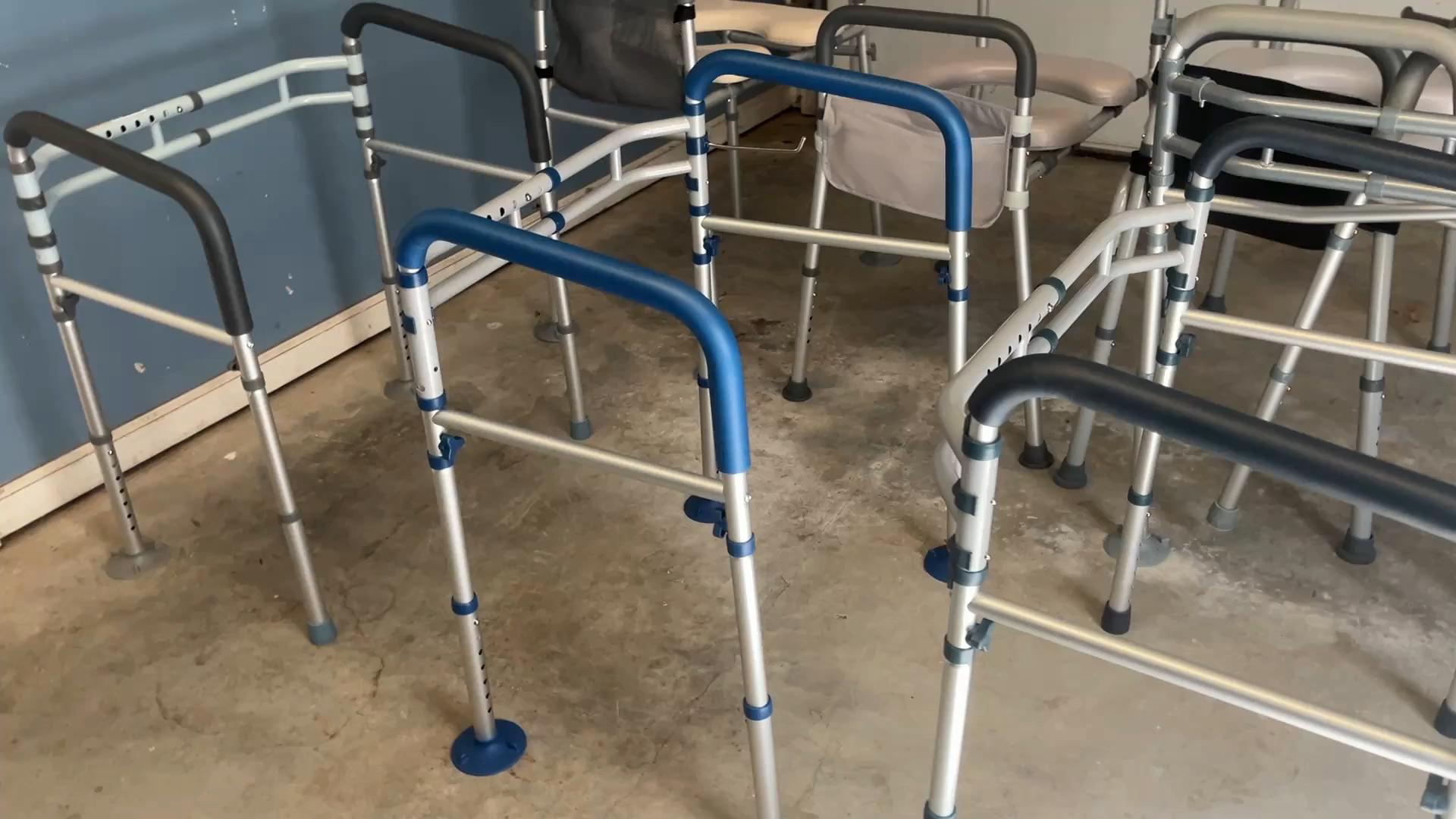
Toilet safety rails are simple devices that can make a huge difference in bathroom safety and independence. They provide sturdy handholds that help people sit down and stand up from the toilet with greater stability and confidence.
These rails are often used by seniors, people recovering from surgery, individuals with mobility challenges, or anyone who wants a little extra support in the bathroom.
There are many different styles available. Choosing the right one depends on your bathroom layout, stability needs, and personal preferences. This guide explains the key factors to consider before buying a toilet safety rail.
Why Toilet Safety Rails Are Helpful
Getting up from a seated position requires balance, leg strength, and stability. Bathrooms are also one of the most common locations for household falls.
A toilet safety rail can help by:
- Providing sturdy hand grips when sitting or standing
- Improving balance and stability
- Reducing strain on knees and hips
- Increasing confidence for users with limited mobility
- Allowing people to remain independent longer
Many models install quickly without permanent changes to the bathroom, which makes them ideal for both temporary and long term use.
1. Choose the Type of Feet That Works Best
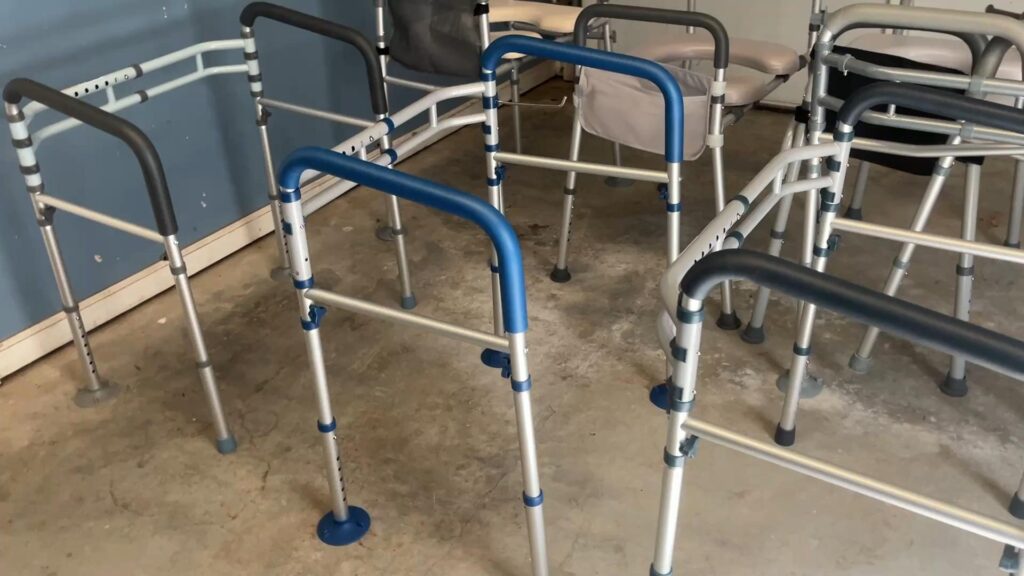
One of the biggest differences between toilet safety rails is how the feet interact with the floor. The two most common options are rubber stoppers and suction cup feet.
Standard Rubber Stopper Feet
Many toilet safety rails use wide rubber feet similar to the feet on walkers.
Advantages:
- Work well on almost any surface
- Provide stable traction
- Easy to move or reposition
- Reliable on tile, vinyl, and hardwood floors
Rubber feet are often the safest and most versatile choice, especially if your bathroom floor is textured or slightly uneven.
They also tend to last longer than suction cups.
Suction Cup Feet
Some models include suction cup feet that attach firmly to smooth flooring surfaces.
Advantages:
- Can feel extremely stable on smooth tile
- Reduce the chance of the frame sliding
- Helpful for users who put significant weight on the rails
Potential downsides:
- Require a smooth, non textured floor
- Need occasional cleaning to maintain suction
- May lose grip over time if the seal weakens
If your bathroom has smooth tile and you want maximum grip, suction cups may be a good option. For mixed surfaces or textured flooring, rubber feet usually perform better.
2. Foldable vs Fixed Frames
Another important decision is whether you want a foldable safety rail or a fixed frame.
Foldable Toilet Safety Rails
Foldable models have hinges that allow the side arms or frame to collapse when not in use.
Benefits include:
- Easier storage
- More convenient in small bathrooms
- Can be transported or moved easily
- Useful for travel or temporary use
Many foldable rails lock into place when opened so they still provide solid support.
These are a good choice if the bathroom is shared and you do not want the rail permanently taking up space.
Fixed Frame Toilet Rails
Fixed frame models do not fold. They remain rigid at all times.
Advantages include:
- Slightly stronger overall structure
- Fewer moving parts
- Often feel more stable for heavier users
If the rail will remain installed full time and space is not an issue, a fixed frame design can provide excellent durability.
3. Consider Whether You Need a Raised Toilet Seat
Some toilet safety rails are designed to work with a raised toilet seat.
A raised seat increases the height of the toilet by several inches. This reduces the distance a person has to lower themselves when sitting down and the effort required to stand up.
When a Raised Seat Is Helpful
A raised toilet seat may be beneficial if the user:
- Has knee pain
- Recently had hip surgery
- Has limited leg strength
- Struggles to stand from low chairs or toilets
Raising the seat can make the movement much easier and safer.
Combination Units
Some safety rail systems include a raised toilet seat built into the frame. Others attach to a separate raised seat.
Combination units can simplify installation and ensure the rail and seat work together properly.
However, if multiple people use the bathroom, you may prefer a rail that works with the existing toilet seat instead.
4. Look for Adjustable Height and Width
Bathrooms and toilets vary in size. Many toilet safety rails include adjustable legs and side handles.
Adjustable features allow you to:
- Set the handle height for comfortable grip
- Fit different toilet widths
- Adapt the rail to different users
A good fit improves safety and comfort.
5. Check Weight Capacity
Not all safety rails are built the same. Weight capacity can vary significantly between models.
Typical capacity ranges include:
- 250 pounds
- 300 pounds
- 350 pounds or more
If the user will rely heavily on the rails for support, choosing a model with a higher capacity can add extra peace of mind.
6. Think About Installation Style
Toilet safety rails usually fall into two installation categories.
Freestanding Rails
Freestanding rails sit on the floor and wrap around the toilet.
Advantages:
- No tools required
- Easy to remove or relocate
- Ideal for renters
Toilet Mounted Rails
Some models attach directly to the toilet using the seat bolts.
Advantages:
- More compact footprint
- Very stable
- No floor contact needed
The best option depends on your bathroom layout and whether you want a permanent or removable solution.
Final Thoughts
A toilet safety rail can be a simple but valuable addition to the bathroom. The right model provides stability, confidence, and greater independence.
When choosing one, focus on the features that match your needs:
- Rubber feet or suction cup feet
- Foldable or fixed frame
- Standard height or raised seat design
- Adjustable sizing
- Appropriate weight capacity
By considering these factors, you can select a toilet safety rail that fits your bathroom and provides reliable support for everyday use.